Thursday, September 17, 2015
Monday, September 14, 2015
Fun Day Wednesday 16th September
| Zeus 1.118 cm tallest dog ever! |
In recognition of the students' hard work this term we are having a fun day.
In the morning students will be competing in teams of three or four to answer general knowledge questions on geography, history, literature, media, sports and leisure and science and nature. During this time students will share some snacks. A small donation of food for the morning tea would be appreciated. Students will eat their normal lunch.
The mid morning session will involve the production of chalk drawing based on record-breaking animals from the Guines Book of Record. Students will be drawing their animal to correct size and comparing themselves with them. Photos of this event will be taken.They need to have organised a co-operative working groups of three.
In the afternoon I will be teaching them a new game involving lots of team work. No-one can excel by themselves. Patience may be required.
Wednesday, September 9, 2015
Marimbas and Wacky Instruments with Jon Madin
Jon Madin is a trained classroom music teacher with a background in a wide variety of music making. His experience includes playing in folk/rock bands, multi-cultural bands and an orchestra. He has also worked extensively in musical instrument design. The students were lucky enough to participate in a work shop in the morning and then perform to the whole school in an afternoon assembly. They had an amazing time.
The Orphan Boy by Tololwa M. Mollel & Paul Morin
I presented the students with this cover and they all made a prediction about the text.
This is a beautiful retelling of an East African Massai legend of the night sky and the origin of the planet Venus. It is about an old man who meets a young orphan boy who radically changes his life. The boy, Kileken magically gets the usual chores done in a small time frame. The old man becomes curious about how he achieves this and his curiosity grows with him desperate to learn the secret behind the boy's success. We focused closely on the theme of trust and discussed trust and confidentiality that we have with close friends and what happens when these are impaired.
On the second reading students took notes using keywords. These will assist them when they do a retelling of the story on Monday the 14th. Students will also be expected to show use of figurative language including, personification, simile and alliteration. Their retellings will be assessed on the structure of their stories and their ability to incorporate figurative language into their creations. and their pieces will be assessed on both.
Monday, August 31, 2015
Postcard; decoding the past...andour first Oral Literacies Activity
Students were given postcards from my grandmother's collection from different places around the world and asked to decode them and rewrite them using today's handwriting style. I shared the ones written in German and French; now to decode them...that would have been a real challenge! They worked in groups of three and each group were supplied with a magnifying glass and a dictionary. They were allowed to use the world wideweb to aid them in their research of the postcard illustration or photograph, stamp and anything else they may have been intrigued by. Many did not realise that all of these postcards were written using an ink pen and ink. Some of the postcards had some strange Aussie colloquial expressions. We talked about the ways that communication have changed over the last century. Indeed, most of these postcards are over one hundred years old! I began the unit by reading the book Never Mail and Elephant. They then shared their findings with the class.
| Super sleuth historians |
| Up close and personal with the past |
| Magnifying glasses came in handy |
| Sometimes the writers only used phrases and no punctuation! |
| There was a large collection of postcards |
| This one was complicated |
| Sample |
| Mrs Wells, the principal, joins in the fun |
Oral Literacy - Part of the Big Six
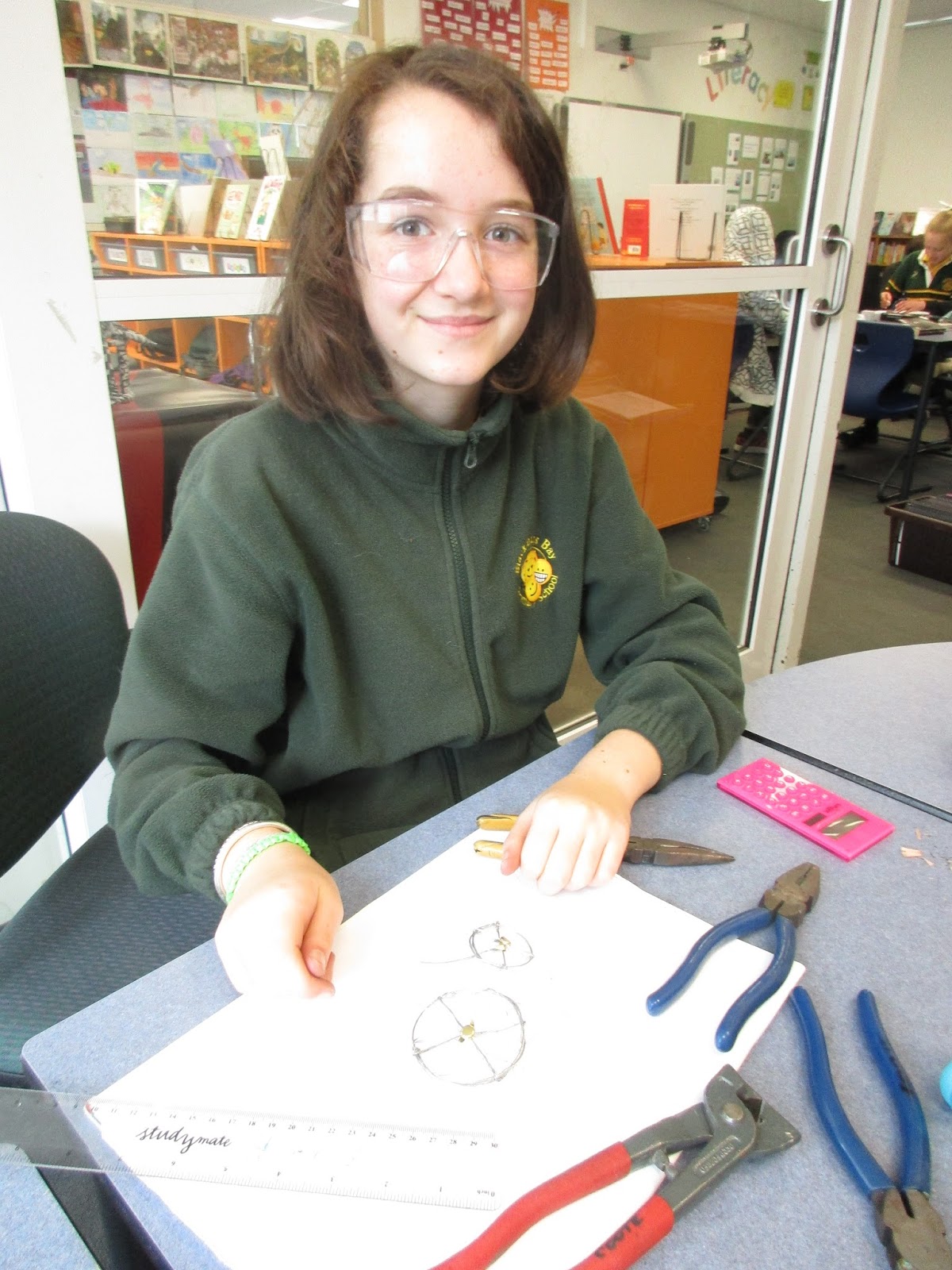
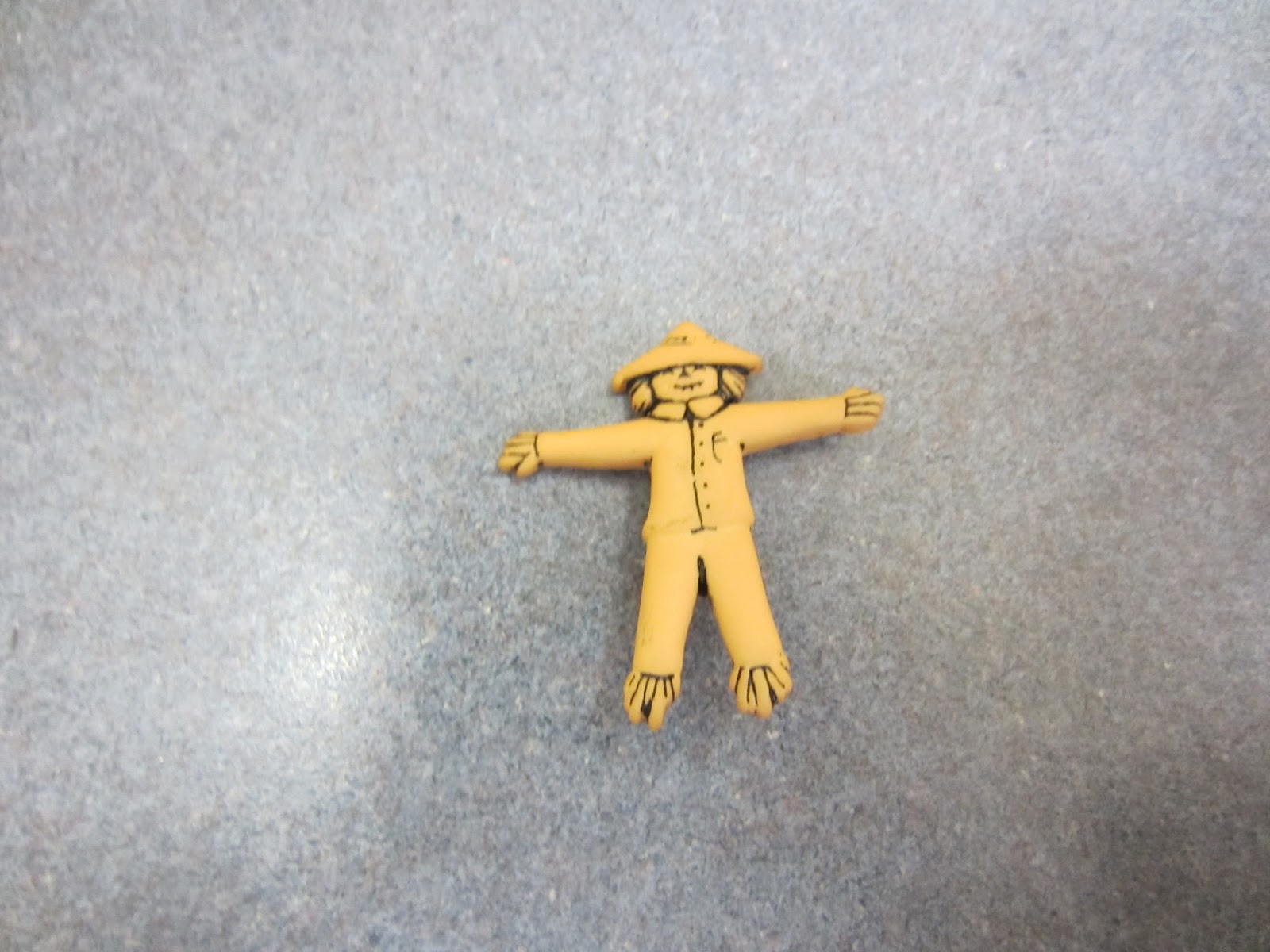
Each partnership received an unsighted button; most were of some kind of bear from my button collection. One person in the pair was the describer and the other the drawer. We brainstormed ideas which would help the describer, Students then shared how they fared. They the swapped and were given new buttons. As a class we shared the outcomes and reflected on the use of using precise language in giving clear directions.
Subscribe to:
Posts (Atom)